Singapore is often celebrated for its futuristic skyline, efficient urban planning, and rich multicultural identity. Yet beyond the glass towers and bustling streets lies another world of beauty that quietly enhances everyday life—its vibrant floral industry. Flowers are deeply woven into the fabric of Singapore’s culture, lifestyle, and celebrations, making florists an essential part of the city’s emotional and aesthetic landscape. Stepping into a flower shop in Singapore is not just a shopping experience; it is an encounter with artistry, tradition, and nature carefully preserved within an urban environment.
The Evolution of Floristry in a Modern City-State
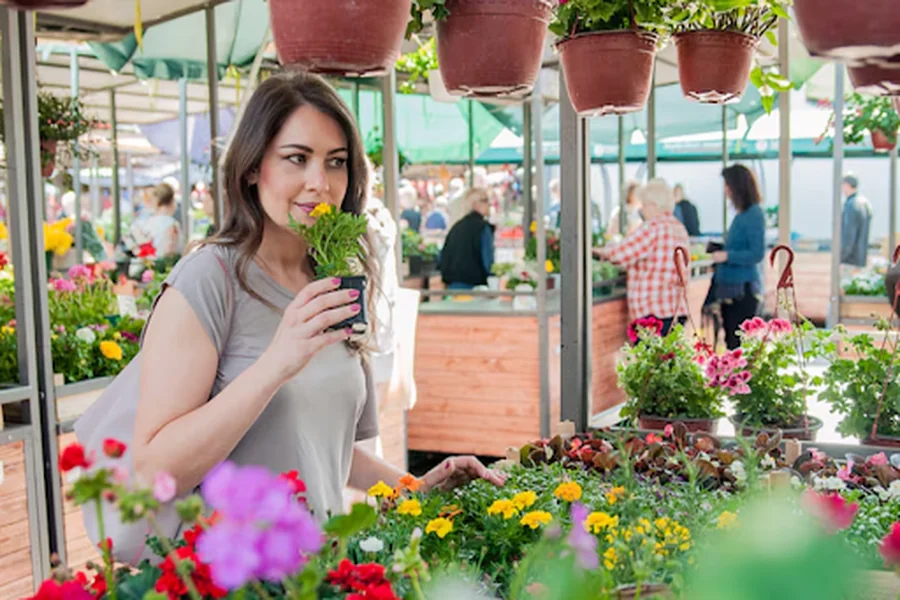
The floristry industry in Singapore has undergone a remarkable transformation over the years. What once began as modest roadside stalls selling simple bouquets has evolved into a sophisticated industry filled with luxury boutiques, creative studios, and highly personalised floral services. This growth reflects the increasing appreciation for flowers not only as decorative items but also as meaningful expressions of emotion and identity.
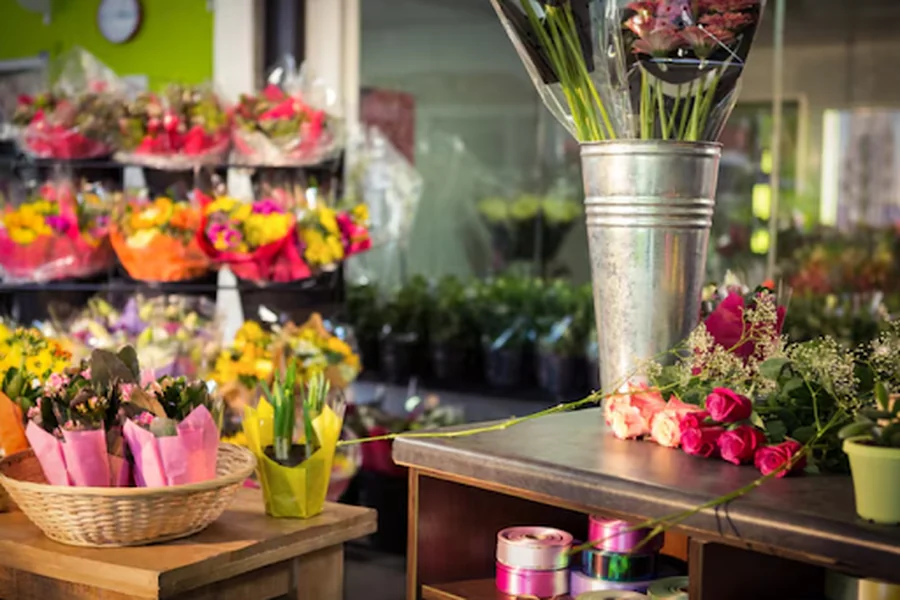
Modern flower shops now offer far more than ready-made arrangements. They provide customised floral designs tailored to individual preferences, subscription services that bring fresh blooms into homes regularly, and same-day delivery systems that cater to fast-paced urban lifestyles. This evolution highlights how floristry has become seamlessly integrated into daily living, turning flowers into a constant presence in both personal and professional spaces.
A Rich Variety of Blooms in the Tropical Climate
Singapore’s tropical climate creates the perfect environment for a diverse range of flowers, allowing florists to work with an impressive selection of blooms. Classic flowers such as roses, lilies, and tulips are widely used, while more exotic varieties like orchids, anthuriums, and heliconias add a distinctly tropical charm to floral arrangements.
Among all flowers, orchids hold a particularly special place in Singapore’s identity. The Vanda Miss Joaquim, the national flower, symbolises resilience, beauty, and multicultural harmony. Its presence in floral arrangements is not just decorative but deeply symbolic, representing the nation’s strength and unity. This cultural connection to orchids is evident in nearly every flower shop, where they are prominently featured in both traditional and modern arrangements.
Sustainability and the Growing Green Consciousness
As environmental awareness continues to rise globally, Singapore’s florists are becoming increasingly committed to sustainable practices. Many flower shops are now prioritising eco-friendly sourcing, reducing reliance on imported flowers, and supporting local or regional growers to minimise environmental impact.
Packaging has also seen a shift toward sustainability, with biodegradable materials replacing plastic wraps and non-recyclable elements. Some florists go even further by adopting waste-reduction practices, such as composting floral leftovers or reusing materials creatively in new arrangements. This growing commitment to sustainability reflects a deeper understanding that beauty should not come at the cost of environmental responsibility.
Floral Design as a Form of Artistic Expression
Floristry in Singapore is not simply a trade; it is an evolving art form. Floral designers carefully consider colour combinations, textures, shapes, and emotional themes when creating arrangements. Each bouquet is designed to evoke a feeling, tell a story, or enhance a specific atmosphere.
Modern florists often experiment with unconventional styles, blending dried flowers with fresh blooms or incorporating unexpected materials such as feathers, branches, or sculptural elements. These creative approaches push the boundaries of traditional floral design, transforming arrangements into artistic statements. Events like floral exhibitions and garden festivals provide platforms where designers showcase their creativity, further elevating floristry as a respected form of visual art.
Technology Transforming the Floral Experience
The digital age has significantly reshaped how florists operate in Singapore. Online platforms have made it easier than ever for customers to explore floral arrangements, customise orders, and schedule deliveries with just a few clicks. This convenience has expanded the reach of florists, allowing them to serve a broader and more diverse customer base.
Many flower shops now operate fully developed e-commerce systems that include detailed product catalogues, personalisation tools, and secure payment options. Mobile applications enhance the experience further by providing real-time order tracking and instant communication with florists. This integration of technology ensures that the floral experience is not only beautiful but also efficient and customer-friendly.
Flowers in Everyday Life and Meaningful Celebrations
In Singapore, flowers are deeply embedded in both daily life and significant cultural celebrations. They are used to express emotions that words often cannot fully capture, making them essential in moments of joy, sympathy, gratitude, and love. From birthdays and weddings to corporate events and festive holidays, flowers play a central role in enhancing the emotional depth of these occasions.
Cultural festivals such as Chinese New Year and Deepavali are especially vibrant times for floristry. Each celebration has its own symbolic floral meanings, with certain flowers chosen to represent prosperity, renewal, or spiritual harmony. Beyond celebrations, there is also a growing trend of individuals purchasing flowers for themselves, embracing floral arrangements as a form of self-care and emotional well-being.
Education and the Growth of Floral Expertise
As the demand for skilled florists increases, education and training opportunities in Singapore have expanded significantly. Aspiring florists can now enrol in specialised courses that teach both foundational and advanced floral design techniques. These programmes focus not only on creativity but also on practical skills such as business management and customer relations.
Workshops and hands-on training sessions provide opportunities for students and professionals to refine their craft under the guidance of experienced designers. This emphasis on continuous learning ensures that the floral industry remains dynamic, innovative, and competitive. It also helps maintain high standards of quality across the industry, strengthening Singapore’s reputation as a hub for floral excellence.
Personalisation and the Rise of Meaningful Floral Experiences
One of the most noticeable trends in Singapore’s floral industry is the growing demand for personalisation. Customers increasingly seek arrangements that reflect personal stories, emotions, and unique preferences. Florists respond by creating bespoke designs tailored to specific themes, colour palettes, or symbolic meanings.
This focus on personalisation transforms flowers from generic gifts into deeply meaningful experiences. Whether it is a romantic gesture, a corporate celebration, or a personal milestone, customised floral arrangements allow individuals to communicate emotions in a visually powerful way. This emotional connection is what sets modern floristry apart from traditional floral retail.
The Future of Floristry in Singapore
The future of floristry in Singapore appears both promising and innovative. As consumer expectations evolve, florists are expected to continue blending creativity with technology, sustainability, and personalisation. Emerging trends may include virtual floral previews, interactive design tools, and deeper integration with lifestyle and wellness services.
International collaborations and exposure to global floral trends will also play a role in shaping the industry’s future. Singapore’s position as a global city makes it an ideal hub for creative exchange, allowing local florists to draw inspiration from around the world while maintaining their unique cultural identity.
Conclusion: A City Forever in Bloom
The floral industry in Singapore is a reflection of the city’s broader identity—modern yet deeply rooted in tradition, innovative yet respectful of nature. Florists are not merely sellers of flowers; they are storytellers, artists, and custodians of emotional expression.
From everyday bouquets to grand ceremonial arrangements, flowers continue to enrich lives across the city-state. As the industry grows and evolves, it remains grounded in its core purpose: to bring beauty, meaning, and connection into people’s lives. In Singapore, flowers are not just part of the landscape—they are part of the soul of the city itself.