Starting a new business is exciting, but getting noticed online can be challenging. Search engines need signals that show a website is trustworthy, useful, and relevant. This is where link building can make a meaningful difference. The Best Link Building Strategies for Startups focus on earning quality backlinks from relevant and credible websites rather than collecting as many links as possible.
For startups with limited budgets, a thoughtful approach is especially important. Building relationships with publishers, creating useful resources, and contributing valuable content can generate backlinks while also increasing brand exposure. Platforms such as urbanpicsly can also provide opportunities to connect with broader online audiences when used naturally as part of a content and outreach strategy.
Create Content Worth Linking To
The foundation of successful link building is content that other websites genuinely want to reference. Instead of creating articles simply to insert keywords, startups should focus on producing resources that solve real problems for their target audience.
Original research is particularly valuable. A startup can conduct a small survey, analyze industry trends, publish statistics, or share insights based on its own experience. Other bloggers and publishers may link to this information when discussing the same subject.
Useful guides, checklists, tutorials, comparison articles, and industry reports can also attract natural backlinks. The more practical and unique the resource is, the greater the chance that another website will find it useful enough to reference.
Startups should also update older content regularly. Improving outdated statistics, adding examples, expanding explanations, and making information easier to understand can turn an average article into a valuable reference.
Use Guest Posting Strategically
Guest posting remains a useful way for startups to build relationships and earn relevant backlinks when it is done with quality in mind. The goal should not be publishing the same article on dozens of websites. Instead, identify publications that already reach the audience the startup wants to attract.
Before contacting a website, review its content, audience, and editorial standards. A relevant industry website with an engaged audience is usually more valuable than a website that accepts every submission.
When writing a guest article, provide original information instead of producing promotional content. Explain a problem, offer practical solutions, and include examples that readers can actually use. A naturally placed link to a relevant startup resource can then add value for the reader.
Guest posting can also help startups build professional relationships. Editors, writers, marketers, and business owners may become useful connections for future collaborations, interviews, partnerships, and content opportunities.
Build Relationships Through Outreach
Effective outreach is one of the most important parts of startup link building. Sending hundreds of generic emails rarely produces strong results. Personalized communication is much more effective.
Start by identifying websites, journalists, bloggers, and content creators who cover topics related to the startup’s industry. Then look for a genuine reason to contact them. For example, a startup might have published original research that supports an article they recently wrote.
A good outreach message should be short, respectful, and specific. Explain why the resource may be useful instead of simply asking for a backlink. When the pitch is relevant to the recipient’s audience, it has a better chance of receiving a positive response.
Startups can also monitor brand mentions that do not currently contain links. If a website has already mentioned the company, product, founder, or research, reaching out politely and asking whether they would consider adding a relevant link can be worthwhile.
Leverage Digital PR and Partnerships
Digital PR can provide startups with valuable backlinks while increasing brand awareness. Businesses do not always need a large public relations budget to gain attention. A unique story, useful data, expert opinion, or interesting business achievement can create media opportunities.
Startups can respond to journalist requests, participate in industry interviews, provide expert commentary, or publish newsworthy research. These activities can lead to mentions on publications with strong authority.
Partnerships are another effective opportunity. Startups often work with suppliers, technology providers, professional organizations, local businesses, and complementary brands. These relationships can sometimes lead to partner pages, interviews, case studies, resource listings, or collaborative content.
The key is relevance. A backlink should make sense in the context where it appears. Links earned through genuine partnerships are generally more useful than links obtained solely for SEO purposes.
Focus on Local and Industry Opportunities
Startups serving a specific city, region, or industry should not overlook local and niche websites. Local business directories, chambers of commerce, professional organizations, community publications, and industry associations can provide relevant opportunities.
For example, a startup can look for local events, sponsorships, business interviews, or community initiatives that naturally generate online mentions. Industry-specific resources can also help establish credibility within a particular market.
Another useful approach is to create location-specific resources. A startup might publish a local market report, industry guide, business directory, or community resource. Such content can attract attention from organizations and websites operating in the same area.
Relevance should always remain the priority. A smaller website closely connected to the startup’s audience may provide more meaningful value than a large but unrelated site.
Monitor Backlinks and Improve Over Time
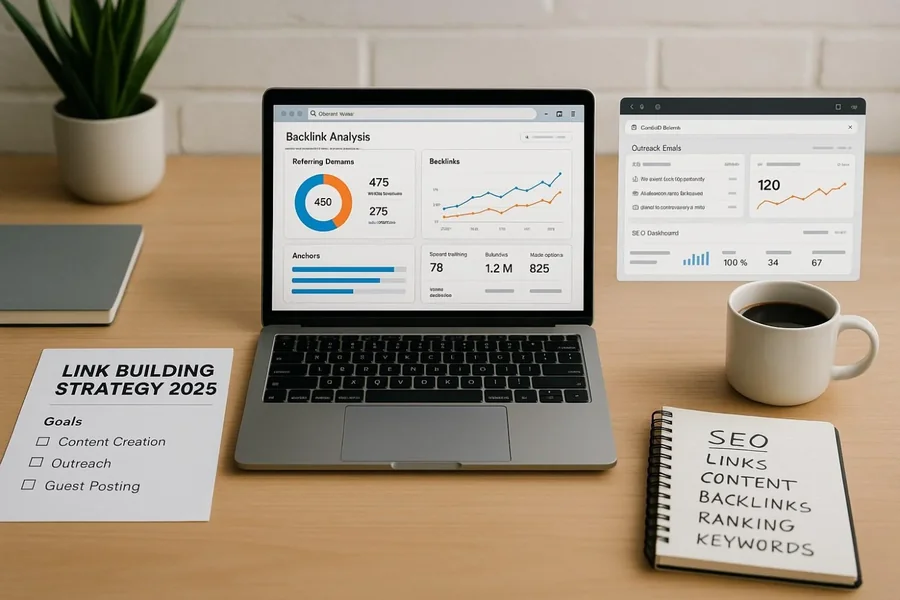
Link building should be treated as an ongoing process rather than a one-time campaign. Startups should regularly review the backlinks they earn and identify which strategies produce the strongest results.
Tracking referral traffic can reveal whether backlinks are bringing actual visitors. Search visibility, branded searches, content performance, and engagement can provide additional insights into the effectiveness of an SEO campaign.
It is also useful to review competitor backlink profiles for ideas. This does not mean copying every link they have. Instead, identify patterns and opportunities that may also be relevant to your business.
Avoid shortcuts such as buying large quantities of low-quality links, participating in link schemes, or placing backlinks on irrelevant websites. These approaches may create short-term numbers but can weaken the overall quality of a website’s SEO profile.
Final Thought
The Best Link Building Strategies for Startups are based on quality, relevance, consistency, and genuine relationships. Startups do not need thousands of backlinks to compete effectively. A smaller collection of relevant links from trusted websites can provide stronger long-term value.
Creating useful content, contributing thoughtful guest posts, building relationships, using digital PR, and pursuing industry-specific opportunities can gradually establish authority. With consistent effort and regular performance monitoring, link building can become a sustainable part of a startup’s broader SEO strategy.
FAQs
What is link building for startups?
Link building for startups is the process of earning backlinks from other websites to improve online visibility, credibility, referral traffic, and search engine performance.
How can startups build backlinks with a small budget?
Startups can create valuable content, contribute guest articles, conduct outreach, participate in industry discussions, build partnerships, and pursue local opportunities without requiring a large budget.
Are guest posts useful for startup SEO?
Yes, quality guest posts can help startups earn relevant backlinks, reach new audiences, and establish relationships with publishers and industry professionals.
How many backlinks does a startup need?
There is no fixed number. The quality and relevance of backlinks are generally more important than simply accumulating a large quantity of links.
Should startups buy backlinks?
Startups should avoid purchasing low-quality or manipulative backlinks. A sustainable strategy focuses on earning relevant links through valuable content, outreach, partnerships, and genuine promotional activities.
How long does link building take to show results?
Results vary depending on competition, website authority, content quality, and the links earned. Consistent link building usually works best as a long-term SEO activity rather than a quick campaign.