What Is IV Therapy at a Spa and why is it such a popular wellness trend? Within recent years, there has been an increase of individuals resorting to intravenous treatments that are performed in a spa as a self-care practice. This treatment is aimed at hydration and delivering nutrients in and out (unlike the traditional spa services like massages or facials). It combines medicine with a calming spa atmosphere, which provides its clients with a fresh approach to attending to their general well-being.
In an IV therapy at spa, fluids, vitamins, minerals and even antioxidants are introduced directly into the blood by dripping into a vein. This technique enables the circumvention of the digestive system by the nutrients and this can result in rapid uptake. This service is popular among many individuals who need to improve their energy level, look better, get rid of a travel fatigue, or just restore after the hard working week.
With the current trends towards wellness, IV treatments through a spa are increasingly getting included in the contemporary self-care practices. And to know whether it is right or not, it is better to consider how it works, its advantages, and what happens during a session.
Understanding IV Therapy in a Spa Setting
The intravenous therapy has been in use in hospitals since time immemorial to cure dehydration, nutrient deficiencies and other medical diseases. Within a spa environment, the idea is quite the same, except that it is wellness-oriented and preventative instead of treatment-oriented.
In a procedure, a trained medical specialist uses a tiny needle to inject one of the veins, most commonly in the arm. To the IV line a sterile bag of fluid with a personalized mixture of vitamins and minerals is attached. The fluid slowly drips in the bloodstream taking 30-60 minutes.
Vitamin C, B-complex, magnesium, calcium, and electrolytes are some of the common ingredients of these drips. The amino acids or antioxidants can also be found in some formulas. The blends are formulated towards a particular purpose like immune support, energy or skin rejuvenation.
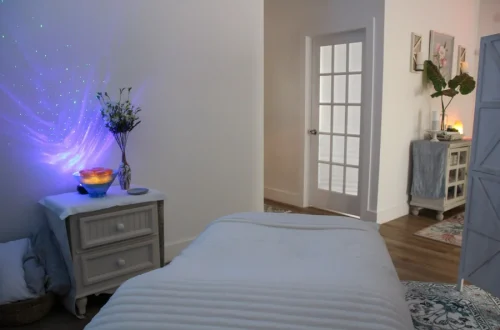
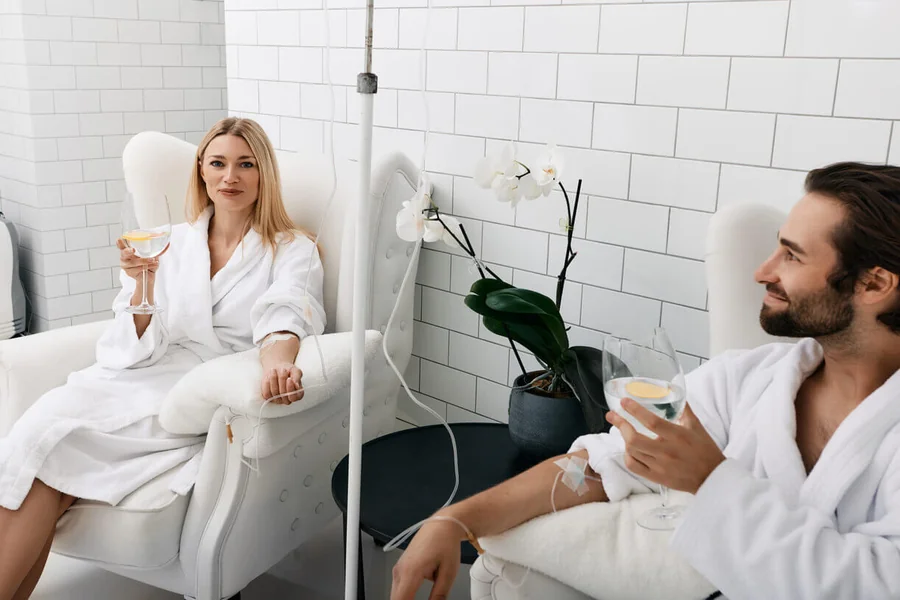
The spa atmosphere brings in the comfort. Depending on a hospital room, clients are sitting on a comfortable chair, occasionally in the presence of soft music and relaxing lights. The environment contributes to the atmosphere that feels more of a relaxation session than a medical procedure.
How IV Therapy Works in the Body
In the same case of vitamins, when you take them in oral forms, they are introduced into the bloodstream through the digestive tract. The process has the power of decreasing the absorption of nutrients into your body. Absorption rates are affected by factors like metabolism, gut health and diet all.
In intravenous hydration, nutrients are introduced into the blood. This avoids the digestive tract and is able to be almost totally absorbed. Consequently, the body is able to absorb these vitamins and minerals instantly.
One of the primary benefits is hydration. IV fluids are quick to restore the balance in case you are dehydrated. This can particularly come in handy following heavy exercise, sickness or long flights. There are also clients who complain that they feel more alert and energetic in the short-term after treatment.
Although the effects may depend on the individual, most individuals report enhanced energy levels, mental sharpness, and mood, among others, after hours of the session.
Common Reasons People Choose IV Therapy
IV vitamin therapy is applied to people because of numerous reasons. Fatigue is one of the most frequent ones. The stress and sleeplessness and hectic schedules may make you feel exhausted. The nutrient infusion can be used to sustain the required vitamins that assist in the production of energy.
Immune system support is another reason that is popular. Immune-centered drips usually contain vitamin C and zinc. These nutrients help in supplementing the natural immunity of the body.
Another field of interest is skin health. Antioxidants are included in some type of infusion that aid in the fight against oxidative stress. Clients who want to look luminous can also opt to use drips that work towards the production of collagen and hydration.
The other significant factor is travel recovery. Hydraulation and energy can be disturbed by long flights and changes in time zones. An IV drip may aid in the replacement of fluids and allow one to experience less jet lag.
Muscle recovery is also provided to athletes through hydration therapy. Magnesium and fluids can help to maintain muscle activity and eliminate cramps. Although not an alternative to good nutritional habits and rest, IV therapy can be included in an overall recovery program.
Safety and Professional Oversight
Although the IV therapy is provided in a spa setting, it is a medical practice. Due to that, safety is necessary. The administration of treatments should never be done by some unqualified health personnel like a nurse or a physician.
Clients are likely to fill in a health questionnaire before beginning a session. This aids in ascertaining the rightness of the treatment. Some medical conditions like kidney diseases or heart diseases might need additional attention.
Sanitation and sterile equipment is also very important. A good spa will ensure that it adheres to the medical standards to avoid infection and keep their clients safe.
The side effects are in general mild but may also involve slight bruising in the injection area or temporary discomfort. In the event that it is done properly, serious complications are uncommon.
You should also use your primary healthcare practitioner as a source of consultancy in the event of underlying health issues. IV therapy does not seem to be a replacement of medical treatment of serious diseases, though it may be applied as a supplement to a healthy lifestyle.
What to Expect During Your First Session
In case you are going to attempt this treatment, anxiety can be alleviated by the understanding of what to expect. On your arrival, you will normally have a medical professional meeting with you to help you talk about your goals. They can prescribe a given combination of nutrients depending on your requirements.
After seating yourself in a comfortable position, your arm is going to be cleaned and ready to insert the IV. The size of the needle employed is small and majority of individuals state that it feels like a brief pinch. Once placed, the drip commences.
You are free to take a break during the session. Others read, check their phone or just sleep. It can be done within two hours. Upon completion of the drip, the IV is withdrawn, and a small bandage is used.
A lot of customers become refreshed soon after. Results can be maintained by drinking water and not overexerting oneself during the remaining part of the day.
There is a variation in consistency as per individual objectives. Others plan monthly visits whereas other individuals apply IV therapy periodically when they feel down-and-out.
Is IV Therapy Worth It for Wellness?
The spa-based IV treatments are worth depending on the needs and expectations. It can be of discernible use to individuals with hectic schedules, frequent flyers or those under stress. One of the benefits is faster nutrient uptake and rapid hydration.
IV therapy is however not a miracle. The foundation of good health is based on a balanced diet, exercise, quality sleep and reduction of stress. Intravenous infusions are effective in boosting wellness initiatives, although they are more effective when coupled with healthy lifestyles.
The other consideration is cost. Such treatments are pricier than the conventional spa services. You should consider the question of whether the benefits that might come are in accordance with your own wellness objectives and financial means.
IV therapy may be a supportive measure to a holistic self-care plan when properly practiced and administered.
Final Thought
The bottom line of What Is IV Therapy At A Spa is deciding on its purpose and potential. It is a wellness therapy that provides the hydration and the nutrients straight into the blood without any strain in a calming atmosphere. Although it is quick to absorb and convenient, it is not to be used as the substitute of healthy living. It can be determined that this modern spa service can become a part of your personal wellness by making a good selection of the provider and establishing a reasonable expectation.
FAQs
What Is IV Therapy At A Spa?
It is a wellness treatment where vitamins, minerals, and fluids are delivered directly into the bloodstream through an intravenous drip in a spa setting.
How long does an IV therapy session take?
Most sessions take between 30 and 60 minutes, depending on the type of infusion and individual needs.
Is IV therapy painful?
Most people feel only a small pinch during needle insertion, and the rest of the session is generally comfortable.
How often should I get IV therapy?
Frequency depends on personal goals and health status, but many people choose monthly sessions or occasional treatments when needed.
Are there any side effects of IV therapy at a spa?
Side effects are usually mild and may include slight bruising or temporary discomfort at the injection site.