
In a competitive online marketplace, having a strong digital presence is no longer optional for most businesses. Customers search online before making decisions, compare brands across multiple platforms, and expect useful information at every stage of their buying journey. A Digital Marketing Expert helps businesses navigate this environment by developing practical strategies that attract the right audience, build brand awareness, and generate measurable results.
Digital marketing involves much more than posting on social media or running advertisements. It can include search engine optimization, content marketing, email campaigns, paid advertising, analytics, conversion optimization, and customer engagement. An experienced professional understands how these areas work together and uses data to improve marketing performance over time.
What Does a Digital Marketing Expert Do?
A digital marketing expert is a professional who plans, manages, analyzes, and improves online marketing activities. Their role can vary depending on the business, industry, and marketing goals. Some professionals specialize in SEO or paid advertising, while others manage broader digital strategies across several channels.
One of their primary responsibilities is understanding the target audience. Before creating a campaign, they need to know who the business wants to reach, what problems those customers have, what information they search for, and which platforms they use. This research helps create marketing messages that are more relevant and effective.
Strategy development is another important responsibility. Instead of treating every marketing channel separately, an experienced marketer creates a coordinated plan. For example, an SEO campaign may bring visitors to a website, while content marketing provides useful information and email marketing helps nurture those visitors into potential customers.
Performance measurement is also central to the role. A professional reviews metrics such as website traffic, conversion rates, engagement, lead volume, advertising performance, and customer acquisition costs. These insights help identify which activities are producing results and where improvements are needed.
Essential Skills for Successful Digital Marketing
Digital marketing is a broad field, so professionals need a combination of technical, analytical, creative, and communication skills. Having expertise in only one area may not be enough when businesses need an integrated marketing strategy.
SEO knowledge is one of the most valuable skills. A marketer should understand keyword research, search intent, on-page optimization, technical SEO, internal linking, content quality, and off-page signals. The goal is not simply to achieve higher rankings but to attract visitors who are genuinely interested in the business.
Content marketing is equally important. High-quality content can educate customers, answer their questions, establish authority, and support search visibility. A skilled marketer understands how to create content that is useful to readers while also supporting broader business objectives.
Paid advertising is another important area. Professionals may work with search advertising, social media advertising, display campaigns, or other paid channels. They need to understand audience targeting, ad creative, landing pages, budgets, bidding strategies, and campaign performance.
Analytics and data interpretation are essential because digital marketing generates large amounts of information. A marketer needs to turn that information into practical decisions. Knowing that website traffic increased is useful, but understanding why it increased and whether that traffic generated qualified leads is much more valuable.
Communication skills should not be overlooked. Marketing professionals often work with business owners, designers, developers, writers, sales teams, and customers. Clear communication makes it easier to explain strategies, present results, and coordinate campaigns.
How an Expert Builds a Digital Marketing Strategy
A successful strategy begins with clear business objectives. A company might want to generate more leads, increase ecommerce sales, improve brand visibility, enter a new market, or strengthen customer retention. Marketing activities should be connected to these goals rather than selected simply because they are popular.
The next step is audience research. Understanding customer demographics, interests, behaviors, challenges, and purchase motivations helps determine what kind of content and messaging will be most effective.
Keyword and market research can then identify opportunities. For search-driven businesses, this may reveal questions customers frequently ask or services they are actively looking for. Those insights can guide website content, blog topics, landing pages, and other campaigns.
Channel selection is also important. Not every business needs to be active on every platform. A professional evaluates where the target audience spends time and chooses channels that offer realistic opportunities for reaching them.
Content should then be created around customer needs. Educational articles, videos, guides, case studies, product pages, newsletters, and social posts can all serve different purposes. The strongest strategies usually combine multiple content formats rather than relying on one type.
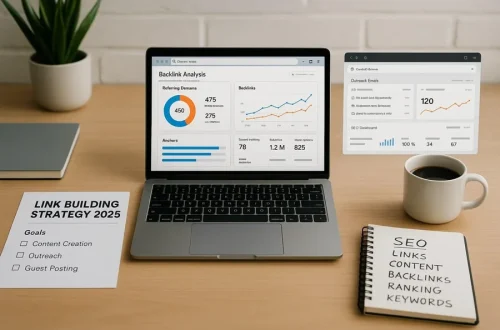
A professional may also develop an authority-building strategy that includes earning relevant online mentions and links. For example, businesses can strengthen their content promotion efforts through quality Backlink opportunities when those links are relevant and genuinely useful to their audience.
Finally, results should be measured and improved. Digital marketing is rarely a one-time project. Campaign data provides feedback that can be used to adjust targeting, messaging, content, budgets, and conversion paths.
Why Businesses Benefit From Expert Guidance
One major advantage of working with an experienced marketing professional is better strategic direction. Businesses often have limited time and resources, making it important to focus on activities that are likely to produce meaningful results.
An expert can identify weaknesses that may be difficult for an internal team to notice. A website may receive visitors but fail to convert them. An advertising campaign may generate clicks without producing qualified leads. A content strategy may produce articles without attracting the right search audience. Identifying these problems is often the first step toward improvement.
Professionals can also help businesses avoid costly mistakes. Poorly targeted advertising, weak landing pages, inconsistent messaging, and ineffective SEO practices can waste money and time. A structured approach makes marketing investments more deliberate.
Another benefit is scalability. As a business grows, its marketing requirements usually become more complicated. New products, audiences, competitors, and markets may require changes to the existing strategy. An experienced marketer can help build systems that adapt as the company develops.
Expert guidance can also improve coordination between marketing and sales. When marketing teams understand what makes a lead valuable, they can create campaigns that produce better prospects rather than simply increasing the number of inquiries.
Common Mistakes to Avoid in Digital Marketing
Many businesses make the mistake of trying to use every available marketing channel at once. This often spreads resources too thin and makes it difficult to maintain quality. A focused strategy is usually more effective than being active everywhere without a clear purpose.
Another common mistake is focusing too heavily on vanity metrics. Large numbers of followers, impressions, or website visitors may look impressive, but they do not necessarily represent business success. Leads, conversions, revenue, retention, and customer quality often provide more meaningful insights.
Ignoring the customer experience can also reduce marketing performance. A campaign may successfully attract visitors, but if the website is confusing, slow, difficult to navigate, or unclear about the next step, those visitors may leave without taking action.
Inconsistent content is another challenge. Businesses sometimes publish frequently for a short period and then stop. Sustainable marketing requires realistic publishing schedules and content that continues to provide value over time.
Finally, businesses should avoid expecting instant results from every strategy. SEO, content marketing, reputation building, and organic audience growth can take time. Consistent effort, measurement, and refinement are often more important than short-term results.
Choosing the Right Digital Marketing Professional
When hiring a marketing professional, businesses should look beyond impressive claims. A good candidate should be able to explain their strategy clearly and connect marketing activities to measurable business goals.
Relevant experience is important, but industry knowledge should not be the only consideration. A professional who understands research, analytics, audience behavior, content, and conversion optimization can often adapt their skills to different industries.
Ask potential professionals how they measure success. Their answer should include meaningful business outcomes rather than only traffic or social media numbers. It is also useful to understand how frequently they report results and how they respond when a campaign does not perform as expected.
Communication is another key factor. Marketing involves ongoing decisions, so businesses need someone who can explain what is happening without unnecessary technical jargon. Transparency about expectations, challenges, timelines, and results can lead to a much stronger working relationship.
Businesses should also consider whether they need a specialist or a full-service professional. A company with an established marketing department may only need an SEO or paid advertising specialist. A smaller business may benefit more from someone who can manage several parts of its digital strategy.
FAQs
What is a Digital Marketing Expert?
A Digital Marketing Expert is a professional who develops and manages online marketing strategies to help businesses reach audiences, generate leads, increase sales, and strengthen their digital presence.
What skills should a Digital Marketing Expert have?
Important skills include SEO, content marketing, paid advertising, analytics, audience research, conversion optimization, communication, and strategic planning.
Can a Digital Marketing Expert help a small business?
Yes, an experienced professional can help a small business identify suitable marketing channels, reach the right audience, improve its website, and use its marketing budget more effectively.
How long does digital marketing take to produce results?
The timeframe varies depending on the strategy, industry, competition, budget, and starting position. Paid campaigns may produce data quickly, while SEO and content marketing often require consistent effort over a longer period.
Is SEO still important for digital marketing?
Yes, SEO remains an important way for businesses to attract people who are actively searching for relevant information, products, or services online.
How does a digital marketer measure success?
Success can be measured through metrics such as qualified leads, conversion rates, revenue, customer acquisition cost, organic visibility, engagement, and return on marketing investment.
Should businesses hire an expert or an agency?
It depends on their goals, budget, internal resources, and the complexity of their marketing needs. An individual expert may be suitable for focused support, while an agency can provide a wider range of specialized services.
Final Thought
A strong online presence requires more than occasional social media posts or isolated advertising campaigns. Businesses need a coordinated strategy that connects audience research, content, SEO, advertising, analytics, and customer experience.
The right professional can bring structure to that process, helping businesses understand where to invest their resources and how to measure progress. Rather than chasing every new marketing trend, an effective approach focuses on customer needs, useful content, measurable goals, and continuous improvement.
As digital competition continues to grow, expert guidance can help businesses make smarter decisions and build marketing systems that support sustainable growth. The most successful strategies are not necessarily the loudest ones; they are the ones that consistently reach the right people with the right message at the right time.