
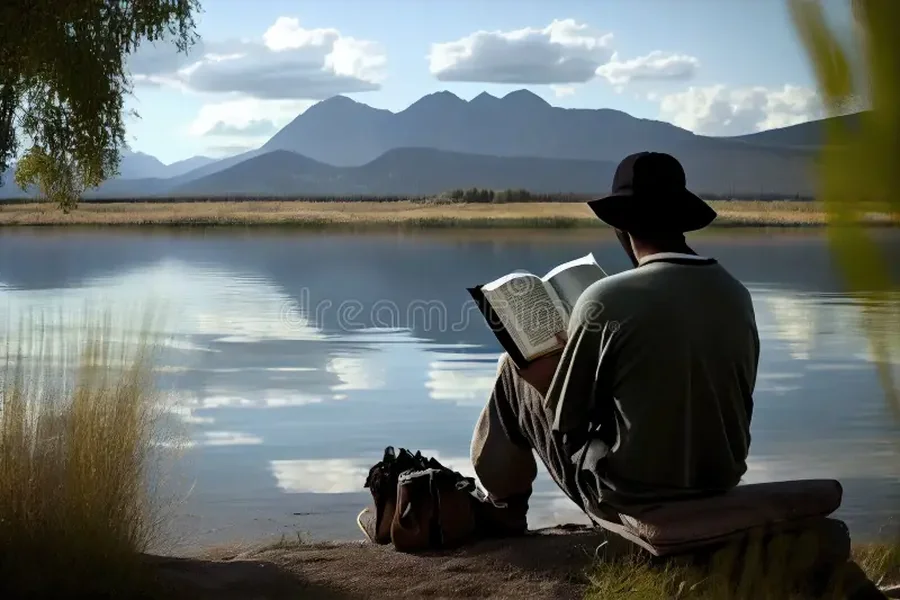
A Mountain Poetry Reading Scene creates a beautiful connection between written words and the quiet strength of nature. Mountains naturally inspire feelings of freedom, solitude, patience, reflection, and perspective. When poetry is read or presented against a mountain landscape, the setting can make the words feel more spacious and meaningful.
Imagine sitting on a wooden bench overlooking distant peaks, reading a favorite poem while cool air moves through the trees. The landscape creates a peaceful environment where the reader can slow down and focus on each line. For additional poetic inspiration and expressive ideas, poetryflame can also offer creative resources for people who enjoy emotional and imaginative writing.
The appeal of mountain poetry scenes is not limited to beautiful scenery. Mountains can symbolize challenges, personal journeys, achievement, distance, and the desire to reach something beyond the ordinary. This gives writers many opportunities to connect the visual landscape with deeper themes.
Why Mountains Create a Powerful Poetry Setting
Mountains have a natural sense of scale. Their height and distance can make everyday worries seem smaller while encouraging broader reflection. This makes them particularly effective backgrounds for thoughtful poetry.
A mountain scene can represent a journey toward a goal. The climb may symbolize struggle, while reaching a viewpoint can represent achievement or understanding. A distant peak may represent a dream that still feels far away.
The quietness of mountain landscapes also supports reflective reading. Away from traffic, crowded streets, and constant distractions, a reader can focus more closely on the rhythm and meaning of the poem.
Weather can change the emotional character of the scene. Clear skies can suggest hope and clarity, while fog can represent uncertainty. Snow-covered peaks may create a feeling of stillness, and dramatic clouds can add intensity.
The mountain therefore becomes more than a background. It becomes part of the emotional story.
Choosing the Right Mountain Landscape
Different mountain environments create different moods. Green hills and forests can make a poetry scene feel warm, natural, and peaceful. Rocky peaks can create a stronger sense of adventure and determination.
A wide panoramic view works well when the goal is to emphasize freedom and scale. A closer view of a reader sitting beside a mountain trail can create a more intimate composition.
Sunrise and sunset are especially useful for poetry scenes because they provide dramatic but natural lighting. Morning light can suggest renewal and possibility, while evening light can create nostalgia and contemplation.
Fog can make a mountain landscape feel mysterious and dreamlike. It can also work as a visual metaphor for uncertainty, unanswered questions, or an unclear future.
When selecting an image, consider the position of the reader and the space needed for poetry text. A composition with open sky or a calm foreground often makes it easier to integrate words naturally.
The Emotional Meaning of Mountain Poetry
Mountain imagery can support many emotional themes. A poem about personal growth may compare life to climbing a difficult trail. A poem about loneliness might show a solitary person surrounded by enormous peaks.
Romantic poetry can use mountains to represent lasting affection, shared journeys, or the strength of a relationship. Inspirational writing can focus on perseverance and the determination required to continue climbing.
Philosophical poetry may use the landscape to encourage thoughts about time, existence, and human perspective. Standing beneath an enormous mountain can remind a person of both their smallness and their ability to experience something vast.
Nature poetry can simply celebrate the landscape without attaching a symbolic meaning. Describing clouds moving between peaks, wind passing through trees, or sunlight touching distant rocks can create a vivid sensory experience.
The meaning depends on the writer’s perspective, which makes mountain imagery highly adaptable.
Creating a Peaceful Reading Atmosphere
A mountain poetry scene should feel like a place where someone would genuinely want to sit and read. Small details can make the composition more believable and inviting.
A wooden chair, blanket, notebook, cup of tea, backpack, or open book can suggest a quiet reading moment. These objects should remain subtle rather than becoming the main focus.
Natural lighting is usually effective. Soft sunlight creates warmth, while overcast conditions can produce a calmer and more introspective feeling.
The person’s posture can also influence the mood. Sitting quietly while looking toward the mountains suggests reflection. Reading closely from an open book creates a more intimate literary atmosphere.
The scene should not feel overly staged. A few natural details can communicate more authenticity than a composition filled with decorative objects.
Writing Poetry Inspired by Mountain Landscapes
A mountain setting offers countless details that can become poetic material. Think about the sound of wind moving through trees, the texture of rocks beneath your feet, the changing color of the sky, or the silence between distant peaks.
Use sensory descriptions to make the reader feel present in the environment. Instead of saying that the mountain is beautiful, describe how the first sunlight reaches the highest peak while the valley remains in shadow.
Metaphors can connect the physical landscape with personal experiences. A narrow trail may represent uncertainty. A steep climb may symbolize difficulty. A clear summit may suggest understanding after a period of confusion.
However, poetry does not need to explain every symbol. Leaving some meanings open allows readers to create their own interpretations.
The most effective nature poetry often balances visual description with emotional reflection.
Typography and Visual Composition
If the mountain scene is being used as a poetry graphic, typography should remain clear without disrupting the landscape.
Serif fonts can give the design a traditional literary character, while clean sans-serif fonts may create a contemporary outdoor aesthetic. Handwritten typography can work for short quotes but should not sacrifice readability.
Text placement is particularly important. Large areas of sky, distant mountains, or calm foregrounds can provide useful spaces for writing.
Avoid covering the main mountain peak unless there is a strong compositional reason. The peak often acts as the visual anchor, so placing text in surrounding negative space can create better balance.
Soft overlays can improve contrast if the background is visually complex. Keep these effects subtle so the natural scenery remains visible.
Making Mountain Poetry Scenes Feel Personal
Personal details can turn a beautiful landscape into a meaningful story. Instead of creating a generic mountain scene, consider what the location represents to the reader or writer.
Maybe the mountains remind someone of a childhood trip. Perhaps a difficult hike became a turning point in their life. A quiet reading moment might represent a rare opportunity to step away from daily responsibilities.
These connections give poetry greater emotional depth. The landscape becomes part of a memory rather than simply an attractive image.
Writers can keep a journal while spending time outdoors. Notes about weather, sounds, thoughts, and small observations can later become lines of poetry.
Over time, these details can create a distinctive writing voice that feels grounded in real experience.
Final Thought
A Mountain Poetry Reading Scene combines the peaceful atmosphere of reading with the grandeur and quiet strength of the natural world. Mountains provide more than beautiful scenery; they offer symbols of growth, distance, challenge, freedom, and reflection.
The most effective scenes balance landscape and emotion. A reader sitting quietly with an open book, surrounded by distant peaks and soft natural light, can communicate an entire story without needing excessive visual elements.
Whether the poetry is inspirational, romantic, philosophical, melancholic, or simply appreciative of nature, mountains provide a setting that encourages readers to slow down and think. Sometimes stepping away from the noise of everyday life is exactly what allows meaningful words to become clearer.
FAQs
What is a mountain poetry reading scene?
It is a visual or written scene featuring someone reading or experiencing poetry in a mountain environment, often emphasizing nature, reflection, and emotional storytelling.
Why are mountains suitable for poetry?
Mountains can symbolize challenges, personal growth, freedom, perspective, distance, achievement, and the journey toward understanding.
What mountain settings work best for poetry?
Forests, mountain trails, valleys, snowy peaks, open viewpoints, misty hills, and sunrise or sunset landscapes can all create strong poetic settings.
What props can enhance a mountain reading scene?
An open book, notebook, blanket, wooden chair, backpack, or warm drink can subtly reinforce the feeling of a peaceful reading moment.
What typography works well with mountain poetry?
Elegant serif fonts and clean sans-serif fonts usually work well. Handwritten styles can also suit short poems when readability is maintained.
How can I make mountain poetry more meaningful?
Connect the landscape with a genuine memory, emotion, personal challenge, or observation, and use specific sensory details to make the scene feel authentic.