
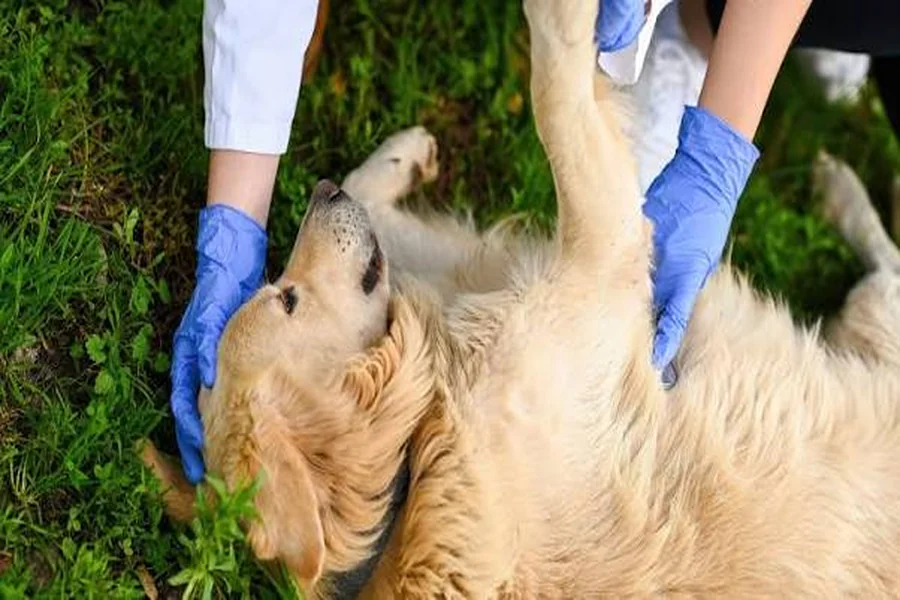
Why Dog First Aid Knowledge Matters
Every dog owner wants to keep their furry companion safe, but unexpected accidents can happen at any time. A dog may suffer from a minor injury during play, swallow something harmful, or experience a sudden health issue that requires immediate attention. Knowing basic first aid can help you respond calmly and take the right steps while arranging professional veterinary care.
Dog first aid tips are valuable because they prepare owners for situations where every second matters. First aid does not replace a veterinarian, but it can help stabilize a dog, reduce discomfort, and prevent a minor problem from becoming more serious. Having the right knowledge, supplies, and confidence can make a major difference during an emergency.
Many pet owners feel stressed when their dog is hurt because they do not know what action to take first. A prepared owner can focus on checking the situation, keeping the dog comfortable, and avoiding actions that could cause further harm. Learning basic emergency care is an important part of responsible pet ownership.
Essential Dog First Aid Tips Every Owner Should Know
The first step in any emergency is staying calm. Dogs can sense fear and anxiety, which may make them more nervous or difficult to handle. Speak gently, move slowly, and assess the situation before attempting to provide care. Check whether your dog is breathing normally, responsive, and able to move safely.
One of the most important dog first aid tips is creating a pet first aid kit. A basic kit should include clean bandages, gauze pads, adhesive tape, antiseptic solution recommended for pets, tweezers, scissors with rounded edges, disposable gloves, a digital thermometer, and emergency contact information for your veterinarian. Keep the kit in an easy-to-reach location at home and consider carrying a smaller version during travel.
If your dog has a small cut or wound, gently clean the area with clean water and cover it with a suitable bandage if needed. Avoid using human medications unless your veterinarian specifically approves them because some common medicines can be dangerous for dogs. Monitor the wound for signs of infection, such as swelling, redness, discharge, or increased pain.
Bleeding is another situation where quick action can help. Apply gentle pressure with a clean cloth or gauze over the injured area. Do not repeatedly remove the covering to check the wound because this may interrupt clot formation. If bleeding continues for several minutes or appears severe, contact a veterinarian immediately.
Choking can be frightening for both dogs and owners. If your dog is struggling to breathe, coughing heavily, or pawing at its mouth, check carefully for visible objects. Only remove an object if you can do so safely. Pushing something deeper into the throat can make the situation worse. Severe choking requires urgent veterinary attention.
Heat-related problems are also common, especially during warm weather. Dogs can overheat quickly because they cannot cool themselves the same way humans do. Signs of heat stress may include heavy panting, excessive drooling, weakness, vomiting, or collapse. Move the dog to a cooler area, offer small amounts of water, and use cool—not ice-cold—water to help lower body temperature while contacting a veterinarian.
A dog may also experience poisoning after eating certain foods, plants, chemicals, or household items. If poisoning is suspected, do not try to make your dog vomit unless instructed by a veterinary professional. Collect information about what your dog consumed, including the product name or packaging if available, and contact a veterinarian or animal poison service as soon as possible.
Pet owners looking for additional online resources and information can also visit websites such as celebstatsinfo for general web content references, though emergency pet situations should always be handled with guidance from qualified veterinary professionals.
Common Emergencies and How to Respond
Different emergencies require different responses, but some basic principles apply to many situations. Always consider your own safety first because an injured or frightened dog may accidentally bite even if it normally has a gentle personality. Approach carefully and avoid sudden movements.
If your dog has a broken bone or serious injury, avoid moving the animal unnecessarily. Keep your dog as still and comfortable as possible while seeking veterinary help. Using a blanket or sturdy surface to carefully transport a large injured dog may help prevent additional damage.
For seizures, keep the surrounding area safe by removing objects that could injure your dog. Do not place your hands inside your dog’s mouth or attempt to hold the tongue. Most seizures stop naturally, but you should contact your veterinarian, especially if the seizure lasts several minutes, happens repeatedly, or occurs for the first time.
Eye injuries need careful attention because the eyes are extremely sensitive. Avoid touching or applying treatments without professional advice. If your dog has something stuck in the eye, is squinting continuously, or shows signs of pain, seek veterinary care quickly.
Bites from insects or other animals can also create problems. Mild swelling may occur, but facial swelling, difficulty breathing, weakness, or sudden changes in behavior require immediate medical attention. Allergic reactions can become serious in a short period.
Accidents involving cars, falls, or major trauma should always be treated as emergencies, even if the dog appears normal at first. Internal injuries may not be immediately visible. A veterinary examination can help identify hidden problems and provide proper treatment.
Preventing Problems Before They Happen
The best first aid approach is preventing emergencies whenever possible. Regular veterinary checkups help identify health concerns early and keep vaccinations and preventive treatments updated. A healthy dog is often better prepared to recover from injuries and illnesses.
Creating a safe home environment can reduce many risks. Keep cleaning products, medications, toxic foods, and small objects away from your dog’s reach. Secure trash containers because many dogs are naturally curious and may eat harmful items when given the opportunity.
Outdoor safety is equally important. Use appropriate collars or harnesses, supervise playtime when necessary, and avoid leaving dogs in hot vehicles. During walks, be aware of hazards such as sharp objects, poisonous plants, and unsafe areas.
Training also plays a role in emergency situations. Teaching commands like “stay,” “come,” and “leave it” can help prevent dangerous situations and make it easier to manage your dog during stressful moments. A dog that responds to basic commands is often easier to assist during an emergency.
Pet owners should also keep important information available, including veterinary contact details, emergency clinic locations, and details about any medications or health conditions. Quick access to this information can save valuable time when a problem occurs.
Final Thought
Learning basic dog first aid tips gives owners the ability to respond more effectively when unexpected situations happen. The goal of first aid is not to replace professional veterinary treatment but to provide immediate support until expert care is available.
A prepared owner with a stocked first aid kit, basic knowledge, and a calm approach can help protect a dog during difficult moments. Taking time to learn emergency care skills is one of the most helpful steps a pet owner can take to support their companion’s health and safety.
FAQs
What should be included in a dog first aid kit?
A dog first aid kit should include items like gauze, bandages, gloves, pet-safe antiseptic, scissors, tweezers, a thermometer, and emergency contact information.
Can I give my dog human medicine during an emergency?
You should not give human medicine to your dog unless a veterinarian specifically tells you to because many human medications can be harmful to pets.
How can I help a bleeding dog?
Apply gentle pressure using clean gauze or cloth and seek veterinary assistance if the bleeding does not stop or appears severe.
What should I do if my dog is overheating?
Move your dog to a cooler location, provide small amounts of water, use cool water to lower body temperature, and contact a veterinarian for guidance.
Is first aid enough for a serious dog injury?
No, first aid only provides temporary support. Serious injuries require professional veterinary examination and treatment.
How often should I update my dog’s first aid kit?
Check your kit regularly and replace expired or damaged supplies to ensure everything is ready during an emergency.