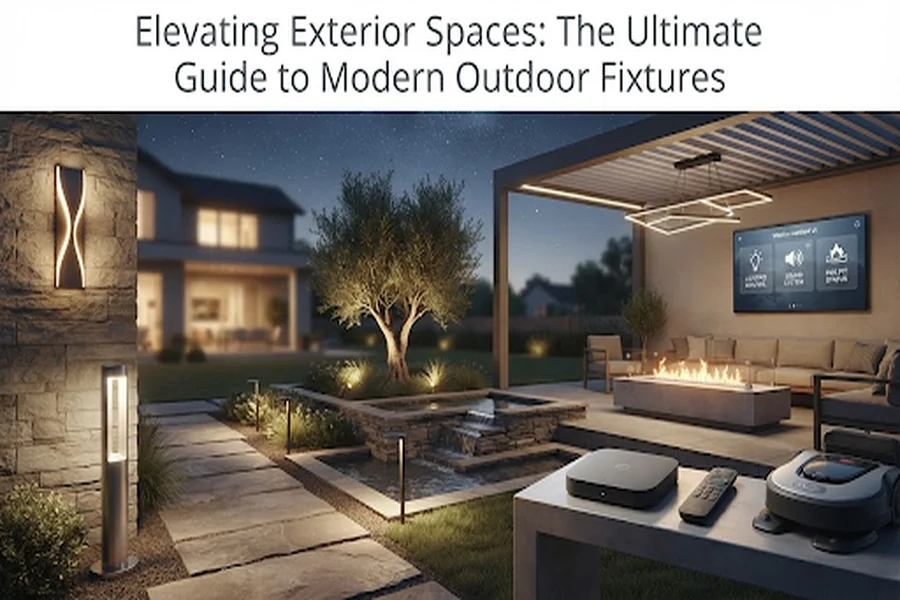
Transforming the perimeter of a residential or commercial property relies heavily on strategic outdoor wall lighting, which bridges the gap between aesthetic design and practical security. When the sun sets, exterior walls, entrance columns, and patio boundaries can easily fade into deep shadows unless they are intentionally illuminated.
Thoughtfully chosen fixtures do more than just brighten dark pathways; they define the architectural character of a building, enhance night visibility, and establish a welcoming ambiance for guests while deterring potential intruders.
Designing a functional exterior lighting layout requires careful consideration of beam angles, fixture placement, materials, and technological advancements. As modern architectural standards shift toward clean minimalism and energy efficiency, property owners are increasingly moving away from harsh, unmanaged floodlights in favor of sophisticated fixtures that integrate seamlessly into the surrounding landscape.
The Evolution of Exterior Architecture and Sconces
Exterior illumination has moved far beyond the generic, utilitarian porch lights of the past. Today’s design landscape embraces clean lines, minimalist silhouettes, and layered lighting schemes that highlight stone facades, vertical siding, and custom entryways.
Rather than relying on a single, blinding overhead glare, modern property owners utilize architectural wall sconces that cast balanced beams upward, downward, or in wide horizontal washes. This layered approach creates visual depth, accentuating the texture of brick, wood, and concrete without creating uncomfortable visual strain.
Selecting the right fixtures involves matching the aesthetic of the building’s exterior. Matte black and dark anthracite finishes remain exceptionally popular for contemporary homes, offering a sleek profile that blends seamlessly into dark evening surroundings while looking crisp and architectural during daylight hours.
Conversely, brushed brass, bronze, and copper options add a touch of warmth and timeless elegance to traditional, rustic, or transitional properties. Furthermore, advancements in integrated LED technology mean that modern wall fixtures boast exceptionally long lifespans and low power consumption, reducing both maintenance headaches and utility bills.
Balancing Safety and Aesthetics with Motion Sensor Wall Lights
While ambient lighting sets a comfortable mood for evening gatherings, functional security remains a top priority for homeowners and business managers alike. Integrating motion sensor wall lights around dark perimeter zones, garage doors, side pathways, and back patios provides an exceptional layer of safety without requiring constant power consumption.
These intelligent fixtures remain in a low-level standby mode or completely switched off until infrared or microwave sensors detect movement, instantly flooding the area with bright, clear illumination.
This automated response serves a dual purpose. First, it startles and deters unauthorized visitors, significantly lowering the risk of property tampering or break-ins. Second, it offers practical convenience for family members returning home late at night, ensuring that dark steps, uneven walkways, and door locks are clearly visible without needing to fumble for light switches in the dark.
Modern sensor technology also features adjustable sensitivity, ambient light detection (photocells), and custom timer controls, allowing users to fine-tune how long the light stays active after motion ceases, thereby maximizing both energy efficiency and personal peace of mind.
Weatherproofing and Durability Standards
Exterior lighting fixtures face a constant battle against harsh environmental elements, including driving rain, snow, freezing temperatures, and high humidity. Choosing lower-quality materials often leads to premature rusting, corrosion, and electrical failures within a single season. Investing in high-grade marine-grade aluminum, heavy-duty composite materials, or powder-coated stainless steel ensures structural longevity.
Furthermore, buyers must pay close attention to Ingress Protection (IP) ratings. An IP44 rating represents the bare minimum for sheltered outdoor spaces, such as deep porches or covered patios where fixtures are protected from direct jets of water. However, for exposed exterior walls, garage fronts, and open boundary gates, opting for an IP65 or higher rating guarantees complete resistance against dust ingress and powerful low-pressure water splashes from any direction. Prioritizing these robust manufacturing standards ensures year-round reliability, prevents internal short circuits, and protects your initial financial investment.
Layered Lighting Layouts for Maximum Impact
Designing a cohesive exterior lighting plan requires thinking in terms of multiple illumination layers. Professional designers typically categorize outdoor lighting into three distinct functional tiers to achieve visual harmony:
- Ambient Illumination: General lighting that provides overall visibility across patios, entry porches, and main pathways, establishing a safe baseline for movement.
- Task Lighting: Focused illumination directed at specific functional zones, such as outdoor kitchens, stair treads, garage entries, and side-door keypads.
- Accent Lighting: Decorative wall fixtures and narrow beam projections used to highlight architectural columns, stonework, structural textures, and signature landscaping features.
By combining these layers rather than relying on a single uniform brightness level, properties gain a sophisticated, designer-grade look that enhances curb appeal and functionality simultaneously.
Frequently Asked Questions
What is the ideal color temperature for exterior wall fixtures?
For most residential properties, a warm white color temperature between 2700K and 3000K is considered ideal. This range emits a soft, golden hue that feels welcoming, closely mimics indoor lighting or traditional candlelight, and complements natural stone or wooden exteriors without appearing stark or clinical.
How do dusk-to-dawn sensors differ from motion sensors?
Dusk-to-dawn sensors (photocells) automatically turn fixtures on when ambient daylight fades below a specific threshold and turn them off again at sunrise, providing continuous low-level illumination throughout the night. Motion sensors, on the other hand, react specifically to physical movement within their detection field, triggering high-intensity light only when activity occurs.
Can I install outdoor wall lights myself, or do I need an electrician?
While replacing an existing wall fixture using identical wiring is often a straightforward DIY project for those comfortable with basic electrical safety, installing brand-new electrical boxes, running exterior wiring, or integrating complex smart automation systems should always be handled by a licensed professional electrician to ensure compliance with local building codes.
What does an IP rating mean when shopping for outdoor lighting?
An IP (Ingress Protection) rating measures a fixture’s resistance to solid objects like dust and moisture. For outdoor applications, choosing an IP44 rating is suitable for covered, sheltered porches, while an IP65 or higher rating is mandatory for exposed exterior walls that face direct rain, snow, and severe weather conditions.
Final Words
Ensuring your home or commercial building is properly illuminated enhances both daily usability and long-term security. By selecting high-quality fixtures engineered to withstand local weather patterns and strategically integrating smart detection technologies, you can completely redefine how your property looks and feels after dark. Thoughtful exterior illumination is a smart, lasting investment in comfort, safety, and architectural beauty that pays dividends for years to come.