
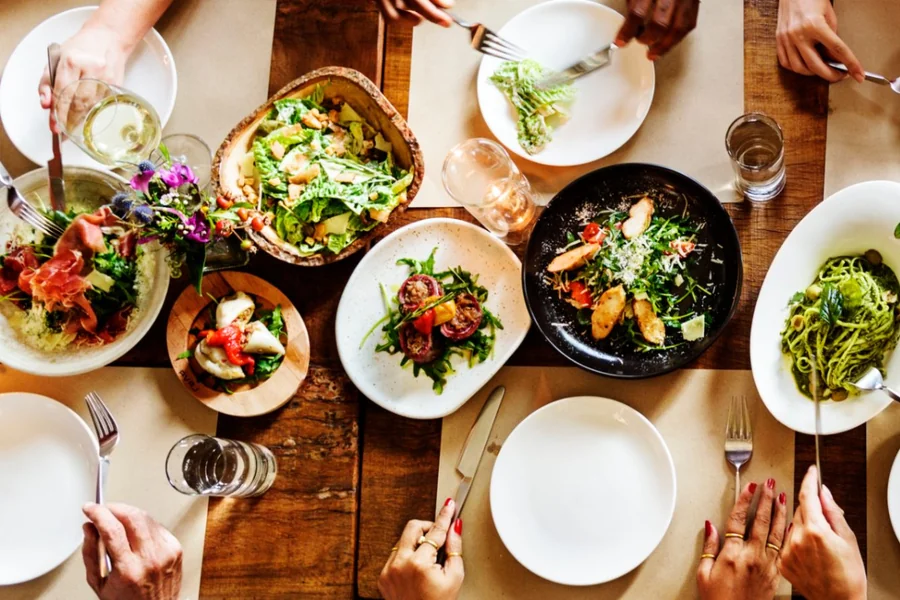
Healthy eating can make a meaningful difference in how you feel and function each day. The right combination of nutritious foods, balanced meals, hydration, and sensible portions can support energy, digestion, physical health, and overall well-being. Healthy Eating Solutions for Better Wellness do not require complicated diets or major lifestyle changes. Small, practical adjustments can often make healthy choices easier to maintain.
A sustainable approach to nutrition is about consistency rather than perfection. Instead of focusing on restrictive rules, build meals around wholesome ingredients and develop habits that fit your schedule. Over time, these choices can become a natural part of everyday life.
Build Balanced Meals Every Day
One of the simplest ways to improve your diet is to create balanced meals. Include a combination of vegetables or fruits, protein, whole grains or other nutrient-rich carbohydrates, and a source of healthy fats when appropriate.
Vegetables can provide fiber, vitamins, minerals, and beneficial plant compounds. Protein-rich foods such as eggs, fish, poultry, beans, lentils, yogurt, and tofu can support normal tissue maintenance. Whole grains such as oats, brown rice, and whole-grain bread can provide fiber and energy.
A balanced plate also adds variety to your diet. Try different vegetables, fruits, grains, and protein sources throughout the week instead of relying on the same foods every day.
Improve Your Everyday Food Choices
Healthy eating does not mean eliminating every food you enjoy. Instead, focus on making nutritious foods the regular foundation of your meals while keeping highly processed foods and sugary treats more occasional.
For example, choose fresh fruit instead of a sugary snack more often, drink water instead of sweetened beverages, or replace refined grains with whole-grain alternatives. These small changes can improve the overall nutritional quality of your diet without making meals feel restrictive.
Reading food labels can also help you compare products. Pay attention to added sugars, sodium, fiber, and saturated fat when choosing packaged foods. Selecting products with simpler ingredients and more beneficial nutrients can make everyday decisions easier.
Plan Meals and Healthy Snacks
Meal planning can reduce the stress of deciding what to eat when you are busy. You do not need to prepare every meal in advance. Simply planning a few meals for the week and making a grocery list can help you stay organized.
Preparing basic ingredients such as vegetables, whole grains, beans, or protein sources can make quick meals easier. Leftovers can also become convenient lunches or dinners instead of going to waste.
Healthy snacks can help when you are genuinely hungry between meals. Fruit, yogurt, nuts, seeds, vegetables, or whole-grain foods can provide useful nutrients. Keeping nutritious options easily available makes healthier choices more convenient.
Support Nutrition With Healthy Lifestyle Habits
Food is only one part of better wellness. Regular physical activity, adequate sleep, hydration, and stress management can complement a nutritious eating pattern.
Drinking enough water supports normal body functions, while regular movement can support physical fitness and overall health. Sleep is also important because the body needs adequate rest for recovery and normal functioning.
Managing stress can make healthy habits easier to maintain. Simple activities such as walking, spending time with family, practicing a hobby, or taking short breaks can help create a more balanced daily routine.
Final Thought
Healthy eating solutions are most effective when they are simple, realistic, and sustainable. You do not need to transform your entire diet overnight. Start by adding more nutritious foods, creating balanced meals, planning ahead, and making small improvements to your everyday choices.
A healthy lifestyle is built through repeated actions. When nutritious eating is combined with movement, hydration, quality sleep, and stress management, it can provide a strong foundation for better overall wellness and a healthier daily life.
FAQs
What are healthy eating solutions for better wellness?
They include eating balanced meals, choosing nutrient-rich foods, drinking enough water, practicing portion awareness, and limiting highly processed foods.
How can I make healthy eating easier?
Plan simple meals, keep nutritious foods available, prepare ingredients ahead of time, and make gradual changes that fit your daily routine.
What should a balanced meal include?
A balanced meal can include vegetables or fruit, a protein source, a nutritious carbohydrate such as whole grains, and a suitable source of healthy fat.
Are healthy snacks important?
Healthy snacks can provide useful nutrients and energy between meals when you are hungry, particularly during busy or active days.
Can healthy eating improve overall wellness?
A balanced diet can provide essential nutrients that support normal body functions and can contribute to overall physical and mental well-being.
Do I need to follow a strict diet to eat healthy?
No, healthy eating can be flexible and varied. A sustainable eating pattern is generally more practical than following highly restrictive rules.